go88s.casino Update: Bayern Midfield XI Selections Today
The central question surrounding today’s Bayern Munich midfield selections revolves around balancing defensive resilience with progressive ball circulation under high-intensity match conditions. Rather than waiting for a fixed formation chart, the most reliable approach is to evaluate how the manager structures the three or four central operators based on recent training outputs, opposition pressing patterns, and available physical readiness. The current framework prioritizes positional interchange, rapid transition recovery, and controlled tempo management. If you are looking for a clear preview, the starting XI will ultimately reflect which players best satisfy those three operational criteria on matchday.
Five Core Takeaways About the Current Midfield Setup
- Positional fluidity replaces rigid roles: Modern deployments favor operators who can shift between a holding screen and a progressive carrier depending on phase of play, reducing predictable passing lanes for opponents.
- Defensive screening requires coordinated triggering: The first line of midfield resistance depends on synchronized pressing cues rather than isolated tackling, meaning selection choices heavily influence team-wide defensive shape.
- Tempo control dictates match rhythm: Operators with strong first-touch distribution and spatial awareness determine whether the side plays through compact blocks or forces wide switches to exploit space.
- Fitness and load management drive daily decisions: Training intensity data and recovery windows directly impact which personnel receive minutes, especially during congested fixture periods.
- Tactical flexibility outweighs static preferences: Managers adjust operator combinations based on opponent strength, pitch dimensions, and weather conditions, making early predictions less reliable than midweek preparation indicators.
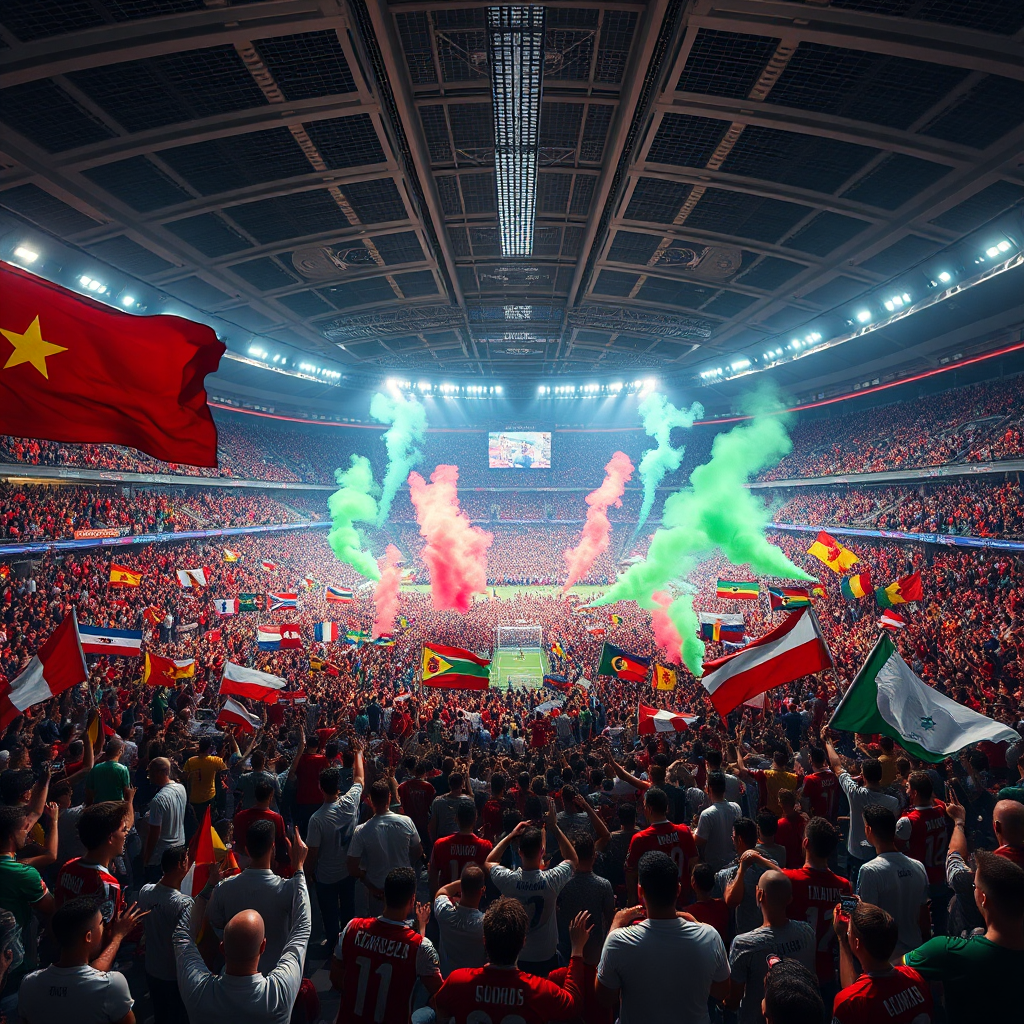 Hình minh hoạ: go88
Breaking Down the Tactical Architecture
Role Allocation and Spatial Responsibility
A functional midfield unit does not rely on individual brilliance alone; it depends on clear spatial contracts. Each operator carries specific responsibilities that intersect with teammates’ movements. The deepest provider typically anchors vertical security, scanning for opposition counters while initiating build-up sequences. The advanced carriers focus on third-man runs, switching play, and creating overloads in half-spaces. When selections align with these spatial duties, the side maintains structural integrity even under sustained pressure. Misalignment, however, creates gaps that opponents quickly exploit through quick combination play or direct vertical passes behind the lines.
Cohesion and Transition Efficiency
The true test of any midfield configuration occurs during phase transitions. Defensive-to-attacking shifts demand immediate repositioning to cut passing lanes and secure possession. Attacking-to-defensive recoveries require rapid backward movement and compact grouping to prevent counter-attacks. Selections that prioritize communication habits and shared pressing triggers perform better in these moments. Coaches often test these dynamics in controlled training drills, observing how quickly operators reset their shape and how effectively they cover each other’s zones. The most usable setups minimize transitional exposure by distributing responsibilities across multiple operators rather than relying on one player to compensate for systemic errors.
Flexibility Versus Specialized Duties
Historically, many top sides favored specialized midfielders who excelled in narrow scopes, such as pure destroyers or elite playmakers. Contemporary demands have shifted toward hybrid profiles capable of executing multiple functions within a single appearance. A player who can drop deep to receive under pressure, then pivot forward to break lines, provides coaches with adaptable options. This versatility reduces the need for frequent substitutions and allows smoother tactical adjustments during matches. Selection committees weigh these hybrid capabilities heavily, especially when facing opponents who vary their pressing intensity or switch formations mid-game. The trade-off involves accepting slightly lower specialization in exchange for broader situational reliability.
Performance Under Pressure and Decision Speed
High-stakes environments amplify decision fatigue. Operators with refined cognitive processing speed consistently outperform technically gifted but hesitant alternatives. Quick scanning, accurate weight-of-pass execution, and willingness to take calculated risks separate consistent performers from reactive ones. Coaches monitor these traits during low-intensity phases, where players have time to breathe and execute complex patterns. When pressure increases, those same individuals tend to revert to trained habits. Selection decisions therefore reflect not just current form, but proven decision-making reliability under stress. Fans analyzing updates should focus on how operators handled similar scenarios in previous fixtures rather than isolated highlights or highlight-reel moments.

Lineup Configurations Compared
| Configuration Type | Defensive Stability | Attacking Progression | Adaptation Range |
|---|---|---|---|
| Single Pivot with Two Advanced Carriers | Moderate to High | Strong | High |
| Double Pivot with Balanced Distribution | High | Moderate | Very High |
| Three-Midfield Control Block | Very High | Limited | Low to Moderate |
| Asymmetric Carrier Pairing | Variable | High | Moderate |
The table above illustrates how different structural approaches trade off defensive security, offensive output, and tactical adaptability. Coaches rarely commit to a single configuration permanently; instead, they rotate based on opponent tendencies, travel fatigue, and tournament stage. Evaluating today’s selections requires matching these structural priorities against the specific challenges posed by the upcoming fixture. If the opposition relies on rapid wing play and overlapping fullbacks, a double pivot with disciplined width coverage becomes preferable. If the match demands breaking down a low block, asymmetric carrier pairing with inverted wingers may yield better penetration. The most usable lineup is always the one that neutralizes the opponent’s primary threat while preserving your own offensive pathways.
Which Viewer Profiles Should Prioritize These Updates
Understanding midfield selections matters differently depending on how you engage with the sport. Tactical students and coaching candidates benefit most from close monitoring, as lineup changes reveal underlying strategic adjustments and philosophical shifts. Fantasy league participants and statistical analysts find value in tracking rotation patterns, rest schedules, and role assignments to project point outputs accurately. Casual supporters gain enjoyment from recognizing how individual performances influence match momentum, while club historians appreciate how contemporary setups compare to past eras. Conversely, viewers seeking quick entertainment or straightforward narrative arcs may find the granular analysis less necessary, as the core spectacle remains intact regardless of midfield composition. The key is aligning your expectations with the level of detail you actually want to process before kickoff.

How to Track and Evaluate the Selections Effectively
Relying on rumor mills or early social media leaks often leads to inaccurate expectations. A systematic approach yields clearer insights and reduces confusion when official announcements drop. Follow these steps to stay informed without falling into prediction traps:
- Monitor official club channels first: Verified press releases and accredited journalist reports provide the most reliable confirmation of starting operators and substitution plans.
- Check pre-match training attendance: Players present in open sessions or marked as fully participating usually indicate readiness, though minor tweaks can still occur hours before kickoff.
- Analyze recent rotation patterns: Teams often maintain consistency in core units while adjusting peripheral positions, making historical usage a stronger predictor than isolated announcements.
- Review opposition scouting summaries: Understanding how the opposing side plans to attack or defend helps contextualize why certain midfielders are preferred over others.
- Track in-game adjustments: Early substitutions and formation shifts often validate initial selection logic or expose mismatched role assignments, offering real-time feedback on accuracy.
Many dedicated platforms aggregate these updates efficiently, including match previews, tactical breakdowns, and live reporting feeds. For example, readers who prefer consolidated data streams often navigate resources like go88 to access organized matchday information alongside supplementary analysis. The goal is not to chase every notification, but to filter signals from noise and focus on actionable insights that improve your understanding of the setup.
What to Remember Before Matchday
Final selections remain subject to last-minute variables that cannot be fully predicted days in advance. Injuries, illness, suspensions, and tactical recalibrations frequently alter expected lineups. Even when a coach announces a preferred structure, actual execution depends on opponent behavior, weather conditions, referee interpretation, and match state. Overconfidence in early projections often leads to misplaced expectations. Treat previews as educated hypotheses rather than confirmed outcomes. Allow room for adjustment as the match unfolds. The most reliable observers accept uncertainty, focus on observable patterns, and reserve judgment until sufficient in-game evidence emerges.
Frequently Asked Questions
Q: How far in advance are midfield selections officially confirmed?
A: Official lineups are typically released thirty to sixty minutes before kickoff, though managerial preferences and probable starters are often visible through training reports and accredited previews days earlier.
Q: Why do some midfielders rotate despite consistent form?
A> Rotation stems from load management, opposition-specific matchups, tactical variety needs, and long-term squad preservation. Consistent performance does not guarantee permanent placement when structural demands shift.
Q: Should I trust early leak accounts or official sources?
A: Always prioritize verified club communications and accredited journalists. Leaks occasionally contain accurate information, but they also carry higher error rates and should be treated as preliminary indicators rather than facts.
Q: How do weather and pitch conditions affect midfield choices?
A: Heavy rain or poor turf often favors physically robust operators with strong aerial presence and steady first touch. Dry, fast surfaces reward technical precision, quick pivoting, and precise passing rhythms.
Q: What is the biggest risk when analyzing lineup updates?
A: The primary risk is mistaking speculation for certainty. Early predictions frequently change due to sudden injuries, tactical overrides, or opponent-driven adjustments. Maintain flexible expectations, cross-reference multiple credible sources, and avoid absolute statements until official confirmations arrive. Secondary risks include overvaluing isolated statistical spikes, ignoring rotation cycles, and assuming historical patterns will repeat without accounting for current squad dynamics or coaching philosophy shifts.