tg88good.org Press Conference Recap: Managers React to European Match Results
If you have spent the last forty-eight hours trying to stitch together post-match breakdowns, verify updated fixture windows, and understand how a single result shifts qualification probabilities, you know how exhausting that process becomes. Fragmented social feeds, delayed broadcast graphics, and inconsistent reporting leave supporters guessing about both the tactical reality on the pitch and the logistical details for the next round. This recap cuts through that noise by consolidating the immediate aftermath of Tuesday’s European fixtures, translating manager comments into clear tactical takeaways, and mapping out exactly how those outcomes alter the group landscape before the schedule accelerates again.
Recent Match Outcomes and Immediate Aftermath
The latest round of European fixtures delivered tightly contested narratives rather than runaway victories, which aligns with the broader trend seen across the continental competitions this season. Several clubs navigated narrow margins, relying on disciplined defensive structures and late transitional opportunities to secure valuable points. The overarching theme across multiple pitches was adaptability: sides that adjusted their pressing triggers in the second half consistently gained control, while others struggled to break down compact midfields despite maintaining possession dominance.
During the post-match sessions, managers emphasized that these results were less about individual brilliance and more about structural execution. Coaches noted how set-piece routines were refined ahead of the window, how midfield rotations disrupted opposition marking schemes, and how goalkeeper distribution became a critical outlet when forward passing lanes were closed. The collective sentiment pointed toward a tournament phase where tactical flexibility outweighs raw attacking volume. Teams that accepted temporary territorial disadvantages but retained vertical passing options fared better than those that chased open play against organized low blocks.
From a scheduling perspective, the physical toll of back-to-back European and domestic commitments continues to influence selection patterns. Managers acknowledged the need to manage minute loads, particularly for players involved in wide channels and central defensive roles. The results underscored why rotation strategies cannot be treated as mere convenience; they are mandatory components of squad sustainability when fixture congestion peaks. For supporters tracking progression routes, the takeaway is straightforward: efficiency in transition and defensive organization remain the primary drivers of positive outcomes at this stage.
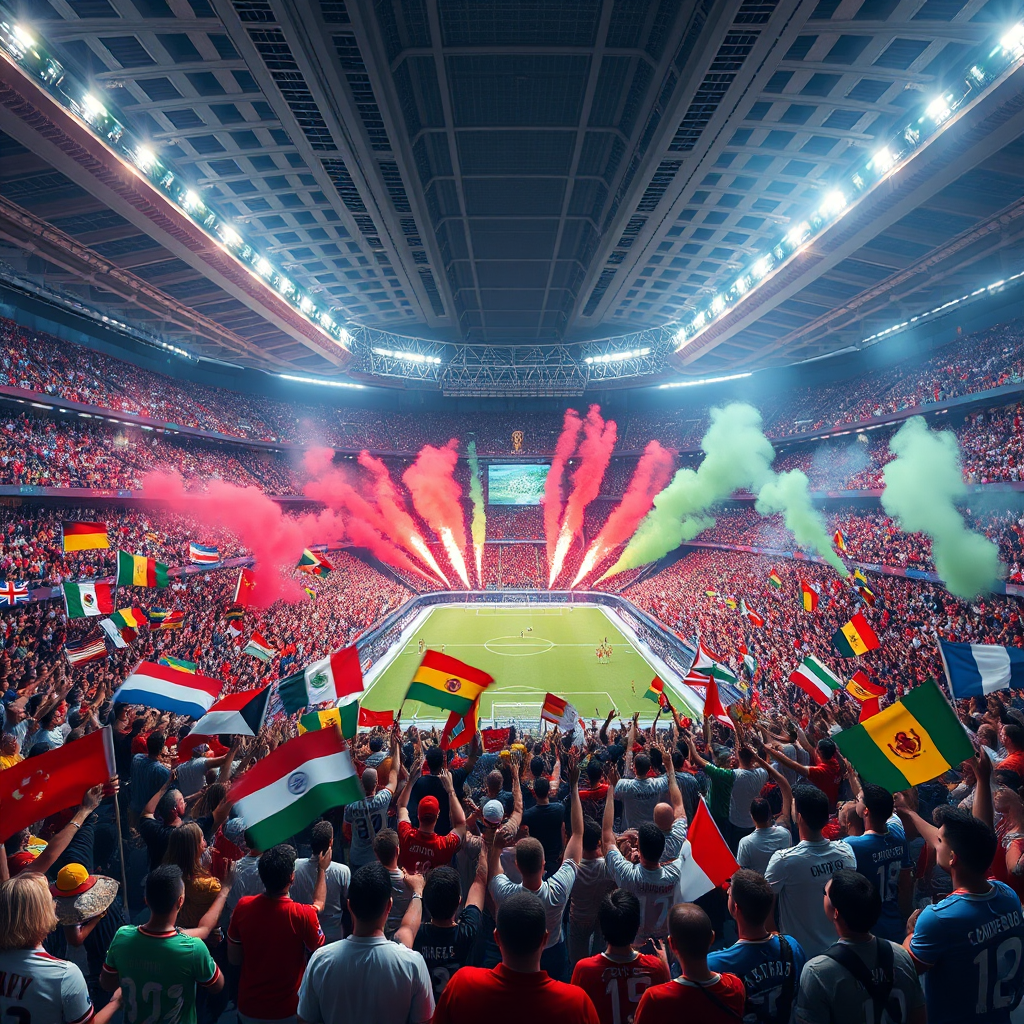 Hình minh hoạ: tg88
How These Results Reshape the Group Standings
When results cluster around narrow margins, the mathematical pathways to advancement tighten considerably. Points remain the baseline metric, but goal difference, head-to-head records, and away-goal conventions (where applicable in the current format) quickly determine tiebreaker hierarchies. A single point dropped by a traditionally stronger side can elevate mid-table rivals into contention, while a well-executed away performance often shifts the entire group dynamic overnight.
| Team Profile | Points Impact | Qualification Implication | Tiebreaker Priority |
|---|---|---|---|
| Top-tier contenders | +3 secured | Direct advancement probability increases | Goal difference optimization remains secondary |
| Mid-table challengers | +1 earned | Playoff positioning or group-stage survival depends on final round | Head-to-head and clean sheet records gain weight |
| Lower-ranked participants | 0 accumulated | Must win final fixtures while hoping superior results elsewhere | Advanced metrics become irrelevant unless points parity occurs |
The table above illustrates how different tiers react to the same competitive environment. When groups compress, the margin between automatic qualification and elimination shrinks to a single match outcome. Managers who recognize this pressure typically prioritize controlled risk: maintaining defensive shape while exploiting limited transitional windows. For fans evaluating projection models, focus on point accumulation rates relative to remaining fixtures rather than isolated performances. Statistical volatility spikes in tightly packed groups, making consistency the most reliable indicator of eventual progression.

Manager Reactions and Tactical Shifts
The press conference segments revealed a consistent emphasis on process over outcome. Coaches avoided framing the results as definitive statements about squad quality, instead highlighting adjustment periods and tactical corrections that occurred during halftime and warm-up routines. Several managers described how initial formation setups were modified to neutralize opposition wingers, how central midfielders were instructed to drop deeper during buildup phases, and how forward lines were repositioned to create staggered passing triangles.
One recurring theme was the deliberate reduction of vertical speed in favor of horizontal circulation. By stretching defenses laterally, coaches created driving lanes for overlapping fullbacks and late arrivals from central zones. This approach mitigated counterattack vulnerability while preserving enough forward penetration to threaten inside the penalty area. The psychological component also played a role; managers stressed composure during dead-ball situations, noting that panic-driven clearances often surrendered dangerous territory despite strong possession numbers.
Looking ahead to the return windows, tactical continuity appears likely. Several coaches indicated that personnel changes will be marginal, with adjustments concentrated on pressing intensity and positional discipline rather than wholesale system overhauls. Squad depth will be tested not by sudden injuries but by cumulative fatigue, meaning fitness monitoring and load management will dictate late-substitution patterns. For observers tracking projective scenarios, the message from the dugouts is clear: structural rigidity combined with selective aggression yields the highest success rate in high-stakes European fixtures.

Upcoming Schedule and Critical Fixtures
The calendar immediately following this round establishes a compressed timeline that demands precise logistical awareness. Return-leg windows typically arrive within six to eight days, creating minimal recovery periods between travel, tactical briefings, and match-day execution. Fixture allocation follows a structured sequence: preliminary warm-ups, medical assessments, transport coordination, venue inspections, and final team sheets submitted under strict regulatory deadlines.
Key scheduling considerations include timezone differentials affecting broadcast availability, stadium curfews influencing kick-off times, and weather forecasts impacting pitch conditions and player preparation. Clubs operating across multiple competitions must balance rotation mandates with cup-run ambitions, which often forces coaches to prioritize certain fixtures while accepting calculated risks in others. Supporting organizations emphasize that delay notifications rarely exceed twenty-four hours unless extraordinary circumstances arise, making proactive verification essential for travel planning and viewing arrangements.
For international supporters, cross-border travel protocols and visa processing windows remain the primary logistical hurdles. Coordinating accommodations near transit hubs, confirming ground transportation routes, and monitoring local public transport schedules significantly reduce day-of complications. Event organizers consistently recommend booking flexible refundable options until final team announcements confirm starting lineups and bench compositions. Understanding these scheduling mechanics transforms passive fandom into structured engagement, allowing supporters to maximize attendance value without unnecessary stress.

How to Keep Up With Verified Schedules and Live Updates
Navigating European competitions requires a systematic approach to information gathering. Relying on a single source inevitably produces blind spots, especially when translation delays, regional broadcasting rights, and administrative updates intersect. Building a multi-channel verification routine ensures accuracy across results, schedule modifications, and regulatory announcements.
- Official federation channels: Primary notices regarding fixture postponements, disciplinary rulings, and lineup submissions always originate here first.
- Club communication portals: Direct team websites publish training schedules, medical updates, and ticketing clarifications before third-party outlets confirm them.
- Broadcast partner guides: Regional networks release localized kick-off windows, commentator rosters, and highlight compilation timelines within twenty-four hours of match completion.
- Verified statistical databases: Independent tracking platforms aggregate referee assignments, substitution patterns, and heat-map data for post-match analysis.
When consolidating these streams, prioritize timestamps over headline claims. Many discrepancies stem from outdated screenshots or misaligned timezones rather than factual errors. Cross-referencing at least three independent sources before sharing information prevents rumor propagation and maintains community trust. For centralized reference materials covering press conference summaries, tactical breakdowns, and schedule matrices, further reference: https://tg88good.org/. Accessing structured archives reduces cognitive load and keeps your tracking workflow efficient.
Practical daily habits include bookmarking official fixture calendars, enabling push notifications from trusted statistical apps, and maintaining a personal spreadsheet that logs timezone conversions, travel windows, and contingency plans. During peak competition weeks, dedicating fifteen minutes each morning to update your tracking dashboard prevents missed deadlines and ensures you never scramble for basic information when matchday arrives.
Frequently Asked Questions
Q: How are tiebreakers applied when teams finish level on points?
A: Governing bodies utilize a standardized hierarchy: head-to-head record, goal difference, goals scored, disciplinary conduct, and finally club coefficient rankings. Specific formats may adjust away-goal calculations depending on the current edition regulations.
Q: What causes last-minute schedule changes?
A: Weather disruptions, security advisories, television market demands, and conflicting domestic cup commitments occasionally trigger kickoff adjustments. Official communications typically arrive within twelve to twenty-four hours, though extreme circumstances require faster action.
Q: Should I trust unofficial score updates during live matches?
A: Unofficial feeds often lag behind official match officials by several seconds or minutes. For accurate progression tracking, rely on federation-approved platforms or certified broadcaster endpoints until the final whistle confirms results.
Q: How do managers decide who sits out during congested periods?
A: Decisions combine physiological data, tactical fit against specific opponents, injury history, and psychological readiness. Load-monitoring software flags fatigue thresholds, while coaching staff evaluates matchup advantages to optimize rotation cycles.
European football operates on precision timing and tactical calibration, and the current phase rewards teams that balance ambition with structural discipline. If clubs execute their adjusted pressing schemes, manage minute distribution effectively, and navigate the compressed fixture calendar without systemic fatigue, they will secure favorable progression paths. Conversely, if tactical rigidity overrides adaptive decision-making, even historically dominant squads risk unexpected eliminations. The margin separating advancement from exit remains razor-thin, and only those who treat every detail—from schedule verification to managerial feedback—as interconnected variables will convert recent results into sustained success. The latest updates are available at https://tg88good.org/.