Live European Soccer Updates: Up-to-Date Match Standings Recorded by sunwinplay.cn.com
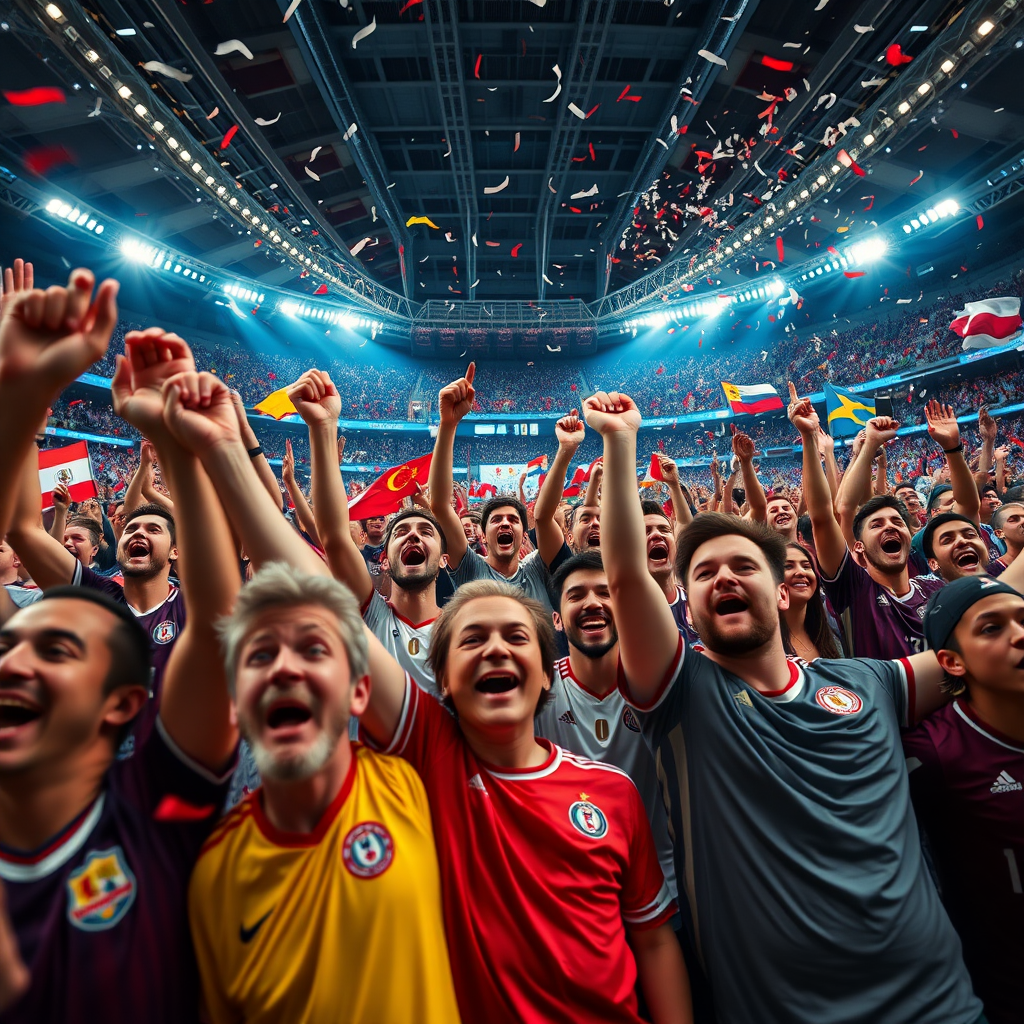
The stadium lights dim on a rainy Tuesday evening as the final whistle echoes across three different time zones. A supporter scrolling through their phone expects a straightforward recap of a mid-table fixture, only to discover that a direct rival has just suffered a late collapse. In that single moment, the mathematical landscape of a continental competition shifts. Points are swapped, goal differences tighten, and the race for qualification suddenly feels narrower. This is precisely why tracking live European soccer updates matters; matchday outcomes rarely exist in isolation. They ripple through domestic leagues, alter qualification probabilities, and force tactical recalibrations that managers must address within forty-eight hours.
Mapping the Fixture Calendar and Upcoming Commitments
European football operates on a tightly packed calendar where domestic leagues, cup competitions, and continental tournaments frequently overlap. The Premier League, La Liga, Serie A, Bundesliga, and Ligue 1 each maintain distinct pacing, yet all converge during international breaks and cup windows. When these cycles align, fixture congestion becomes the defining variable for the weeks ahead. Teams must manage player workload, rotate squads intelligently, and navigate travel logistics without compromising competitive integrity.
Looking ahead, several recurring patterns typically shape the schedule. Cup ties often require replay protocols or extra-time adjustments, which compress recovery windows. Continental qualifiers carry knockout stakes that can trigger strategic substitutions in domestic matches. Weather conditions and broadcast requirements also influence kickoff times, sometimes pushing fixtures into late afternoon slots that disrupt traditional training rhythms. Fans monitoring upcoming commitments should note that rescheduling happens regularly when clubs advance further in knockout stages. Verifying official league bulletins remains the most reliable method to confirm updated kickoffs, venue changes, and televised windows.
Preparing for these scheduling shifts requires patience. Managers prioritize rest for key performers, which means starting lineups may feature younger prospects or rotational players. Spectators following live European soccer updates should anticipate tactical flexibility rather than rigid formations. A team managing multiple competitions might deploy a possession-heavy approach to control tempo, while a side fighting for continental spots could adopt a high-intensity pressing scheme. Understanding these calendar pressures helps contextualize why certain matches feel unusually open or defensively cautious.
 Hình minh hoạ: SUNWIN
Recent Matchdays and Immediate Result Implications
The most recent round of fixtures delivered outcomes that reinforced broader seasonal trends. Favorites faced heightened pressure from mid-table opponents who executed disciplined defensive structures, limiting shooting volume and forcing errors outside the penalty area. Several matches concluded with narrow margins, highlighting how fine the separation has become between elite sides and emerging contenders. When high-profile clubs struggle to convert territorial advantage into clear chances, the cumulative effect on the table becomes significant.
Conversely, teams that emphasized vertical passing and quick transitions capitalized on defensive misalignments. Late goals proved decisive in multiple contests, demonstrating that fatigue and concentration levels heavily influence closing phases. Clubs that maintained structural discipline through ninety minutes often found themselves rewarded, while sides that rushed decisions under scoreboard pressure surrendered ground. These results did not merely produce individual win-loss records; they recalibrated head-to-head tiebreakers and influenced goal-difference calculations that separate qualification tiers.
The immediate implications extend beyond point accumulation. Managerial evaluations intensify after unexpected drops, particularly when squads fail to protect leads or respond to early deficits. Youth integration strategies are tested when first-team regulars miss fixtures, revealing how depth translates to consistency. Observers tracking live European soccer updates should note that short-term results often mask underlying performance metrics. A team might secure a favorable scoreline while creating fewer high-quality opportunities, whereas a side suffering defeat could have controlled territory and chance creation throughout. Context separates noise from meaningful progression.

Decoding the League Tables and Positional Shifts
League standings function as dynamic mirrors of seasonal trajectory rather than static rankings. Points accumulate incrementally, but positional movement reflects cumulative efficiency across multiple dimensions: attack conversion rates, defensive solidity, disciplinary records, and scheduling resilience. When analyzing current standings, the most critical factor is proximity. Margins between fourth and seventh places frequently span only a handful of points, turning every fixture into a potential six-point swing.
Table composition reveals strategic priorities. Clubs positioned at the summit typically demonstrate consistent execution across both halves of matches, minimizing period-based fluctuations. Mid-table groups often exhibit higher variance, reflecting squads balancing development objectives with competitive survival. Lower sections reveal urgency, where teams prioritize compact defensive shapes and set-piece optimization to maximize limited attacking resources. Goal difference serves as the primary tiebreaker in most European competitions, making clean sheets and late-stage goal production equally valuable alongside victory totals.
Reading the standings requires awareness of remaining fixtures. Teams facing clusters of difficult away matches may experience temporary stagnation even when performance quality remains stable. Conversely, sides navigating favorable run-in sequences can accelerate their climb through concentrated point accumulation. Analysts reviewing standings should cross-reference remaining schedules with historical home-and-away splits. A club appearing comfortable near the top might encounter logistical hurdles, while a struggling side could possess a manageable path to stability. Continuous verification against official league publications ensures accuracy as matchday outcomes cascade through the table.
Tactical Momentum and Table Repercussions
Momentum in European football rarely arrives as sudden transformation. It builds through repeated execution of core principles: pressing triggers, transition speed, spatial control, and defensive communication. When a team sustains these elements across consecutive fixtures, the resulting table movement feels organic rather than accidental. Clubs that establish rhythmic possession while maintaining vertical readiness consistently extract advantages from disorganized opposition lines.
Tactical adaptations directly influence standings when teams face structural mismatches. High defensive lines succeed against slow build-up sides but fracture against rapid counterattacks. Low blocks neutralize physical forwards yet struggle against technically gifted creators who exploit half-spaces. Managers who adjust formations based on opponent weaknesses rather than rigid philosophies tend to preserve points more effectively. This flexibility explains why some squads remain competitive despite roster limitations, while others falter when initial game plans are neutralized.
The financial and sporting repercussions of table position extend far beyond trophy contention. Qualification slots determine revenue distribution, player recruitment leverage, and European market visibility. A single drop from automatic qualification to playoff positioning alters budget allocations significantly. Relegation battles trigger immediate restructuring, influencing transfer windows and coaching appointments. Recognizing these stakes clarifies why matchday results carry disproportionate weight. Performance metrics, expected goals, and chance quality provide deeper insight than final scores alone, allowing observers to distinguish sustainable progress from temporary variance.

Systems for Tracking Live Updates Accurately
Staying informed requires reliable infrastructure that delivers data promptly while minimizing distortion. Official league websites publish verified lineups, substitution timelines, and disciplinary records within seconds of each event. Broadcast partners supplement coverage with broadcast-grade graphics and post-match statistical breakdowns. Dedicated tracking platforms aggregate these sources, presenting consolidated dashboards that highlight schedule changes, injury reports, and positional movements. Selecting a provider that prioritizes real-time synchronization reduces the risk of acting on outdated information.
Many supporters utilize centralized hubs to consolidate match notifications, historical comparisons, and predictive models. Platforms like SUNWIN deliver synchronized feeds that align with official league publishing cycles, ensuring that standings reflect actual events rather than algorithmic projections. Cross-referencing multiple sources remains essential when discrepancies arise, particularly during overlapping fixtures or delayed referee broadcasts. Consistent verification habits prevent reliance on isolated data points that occasionally lag behind live action.
Effective tracking also involves understanding notification preferences. Push alerts for kickoff reminders, halftime developments, and full-time confirmations help maintain awareness without constant screen monitoring. Filtering options allow users to focus on specific leagues, teams, or statistical categories relevant to their analysis. Combining automated updates with periodic manual checks against official club statements creates a balanced workflow. Accuracy depends less on frequency and more on source validation, making disciplined information management a cornerstone of modern football analysis.
Frequently Asked Questions
- How quickly do league standings update after a match ends?
Standings typically refresh within minutes of official match confirmation. Delays usually occur only when referee reports require review or when multiple fixtures conclude simultaneously across different time zones. - Why do some teams drop points despite controlling possession?
Possession does not guarantee efficiency. Teams that retain the ball without penetrating defensive lines or creating high-value chances often surrender transitions that lead to opponent goals. Shot quality and spatial exploitation matter more than pass volume. - Are away results weighted differently in European competitions?
Domestic leagues treat home and away matches identically for point allocation. Continental knockout formats historically utilized away-goal advantages, though many competitions have moved toward standard aggregation rules that prioritize total scores and extra time. - What indicators suggest a team is overperforming relative to their actual play?
Sustained goal scoring below expected metrics, unusually high save percentages from goalkeepers, and heavy reliance on set-piece finishes often signal regression risk. Statistical normalization typically occurs as sample sizes increase. - How should casual viewers verify fixture rescheduling?
Official league channels and accredited broadcaster networks publish updates immediately. Third-party aggregators may experience minor lags during emergency adjustments, so confirming through primary sources prevents missed kickoffs.
Risk Factors to Monitor Before Making Decisions
Reliance on fast-moving sports data introduces several vulnerabilities that demand careful navigation. Information velocity often outpaces verification capacity, meaning unconfirmed rumors or prematurely published graphics can distort perception. Acting on provisional standings without awaiting official ratification increases exposure to correction errors. Structural dependencies also create fragility; when a single platform experiences latency or server interruption, downstream followers lose synchronization until restoration occurs.
Cognitive biases amplify these technical risks. Confirmation tendency drives viewers to emphasize statistics that support existing narratives while dismissing contradictory evidence. Short-term form obsession obscures long-term progression, leading to exaggerated conclusions about momentum or decline. Emotional attachment to specific clubs further distorts objective evaluation, causing selective attention to favorable moments and blind spots regarding systemic weaknesses. Maintaining analytical distance requires deliberate practice and consistent cross-checking against independent datasets.
Data authenticity remains another critical concern. Unofficial mirrors sometimes display cached versions rather than live streams, creating false certainty about completed events. Geographic restrictions and broadcasting rights fragmentation complicate access, prompting users to rely on third-party relays that may introduce compression artifacts or delayed timestamps. Establishing fallback verification methods, such as cross-referencing two authoritative sources before drawing conclusions, mitigates these vulnerabilities. Prioritizing precision over speed preserves analytical integrity and supports informed decision-making across all engagement levels.