Champions League Matchday Highlights: Strategic Brilliance Of Managers
The ninety-minute mark approaches, the score remains locked at zero, and the stadium hums with nervous energy. On the touchline, the head manager doesn’t panic. He doesn’t scream for more effort. Instead, he signals for a midfield pivot, adjusts the defensive line height by three meters, and waits. When the opposing team steps up to press, they leave a half-space wide open. Three passes later, a striker receives the ball in stride and finishes. If you watched the replay, you saw the goal. But if you watched with a tactical lens, you saw the preparation.
This is how you decode Champions League Matchday Highlights and the strategic brilliance of managers who operate under maximum pressure. Learning to read these moments transforms passive viewing into active analysis. You stop watching the ball and start tracking space, timing, and decision chains. Below is a practical framework built from years on the pitch and in the technical area. It takes you from foundational recognition to advanced pattern reading, highlights frequent misinterpretations, and gives you a repeatable review routine. Whether you are building a scouting report, coaching younger players, or simply wanting to understand why certain substitutions change games instantly, this guide covers the essentials.
Quick Answer: The Core Framework for Decoding Tactical Signals
To extract real value from match highlights, focus on four repeating elements: starting shape adjustments, pressing triggers, transition speed, and substitution timing. Watch where players position themselves before the ball arrives, note what actions draw defenders out of position, track how quickly teams shift from defense to attack, and evaluate whether late changes address actual weaknesses or react emotionally. Most broadcast cuts hide these details, so pause frequently, rewind directional movements, and compare pre-kickoff formations to second-half positioning. If you want extended tactical breakdowns and curated highlight packages that isolate these moments, many dedicated platforms like manclub provide structured video libraries designed for deeper study.
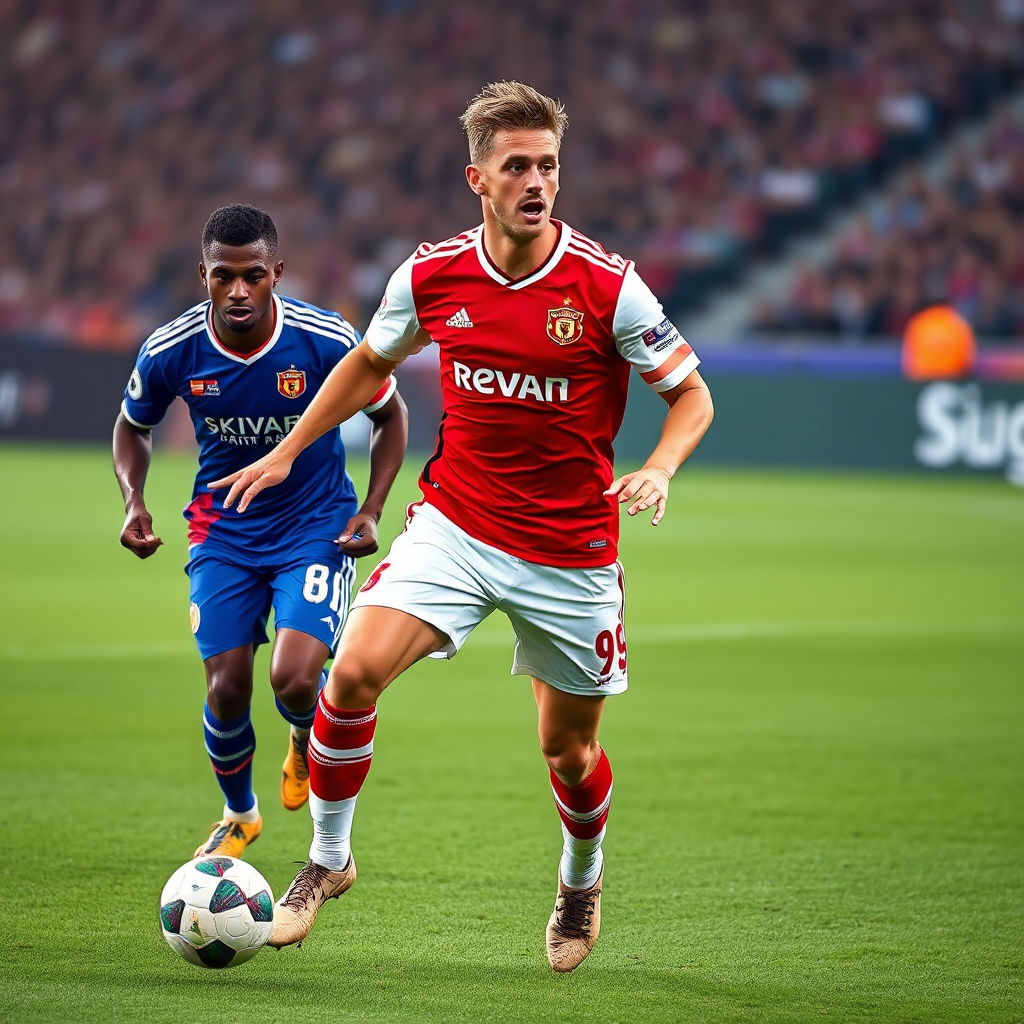
 Hình minh hoạ: manclub
Step-by-Step Guide to Analyzing Matchday Highlights
Reading high-stakes European fixtures requires patience and a systematic approach. Broadcast highlights compress minutes into seconds, stripping away context. Your job is to reconstruct that context. Work through the match chronologically, but prioritize phases that reveal managerial intent rather than isolated skill displays.
Basic Level: Tracking Shape and Pressing Triggers
Every manager sets a baseline structure before kickoff. In the highlights, look for the starting formation and immediately check whether it holds for the first twenty minutes. Teams rarely stay static. Watch for width adjustments: does the fullback tuck inside to form a back three during buildup? Does a winger drop deep to create a numerical overload in midfield? These micro-shifts signal tactical instructions.
Pressing triggers are equally visible once you know what to watch. A trigger is a specific condition that tells players to activate their press. Common triggers include:
- A center-back receiving the ball with poor body orientation
- A pass played backward across the defensive line
- A goalkeeper hesitating before distributing
- A forward turning his back to goal near the halfway line
When you spot a trigger, observe the reaction within two seconds. Do surrounding players cut passing lanes? Does the defensive line step up collectively? If the press fails, does the team retreat into a mid-block quickly, or do they chase wildly? Smart managers design presses that work even when they don’t win the ball immediately. They force sideways or backward passes, drain opponent stamina, and regain possession in safer zones.
Intermediate Level: Reading Half-Space Exploitation
Once you understand basic shapes, move to spatial manipulation. Modern managers thrive in the half-spaces—the vertical channels between the wing and the central penalty area. Highlights often zoom in on dribblers, but the real story happens in those corridors.
Watch for diagonal runs that split compact defensive lines. Notice when a attacking midfielder drifts into the half-space to receive between markers. Observe how fullbacks overlap or underlap depending on which side the ball travels. Managers instruct players to occupy specific zones to stretch defenses horizontally and vertically. When both half-spaces are populated simultaneously, defenders must choose between stepping out (leaving central gaps) or staying compact (allowing outside penetration).
Replay buildup sequences slowly. Count how many defenders are pulled out of their original positions. Track the passing triangles forming around the ball carrier. Effective exploitation looks chaotic on screen but follows strict spacing rules. Players maintain distance to create options, rotate positions to confuse markers, and execute third-man runs to bypass secondary pressure.
Advanced Level: Substitution Timing and Game State Management
The most difficult decisions happen when momentum shifts. Highlights usually jump straight to goals, but the managerial masterclass occurs in the sixtieth to seventy-fifth minute window. Watch how managers read fatigue, tactical mismatches, and referee tendencies before making changes.
Effective substitutions address three categories of problems:
- Tactical imbalances: An opponent’s right-sided defender struggles against your left winger. Swap in a player with better isolation skills or adjust the fullback’s positioning to cover the exposed zone.
- Physical decline: Midfielders lose sprint capacity after eighty minutes. Replace them with high-intensity runners to disrupt rhythm and force rushed decisions.
- Game state adaptation: Leading away? Shift to a lower block, play direct balls over the top, and conserve energy. Trailing? Increase pressing intensity, push fullbacks higher, and exploit set-piece routines.
Notice whether substitutions come too early, creating confusion, or too late, leaving insufficient recovery time. Great managers introduce changes that immediately alter spatial dynamics. They don’t just bring on faster legs; they bring on specific profiles that solve identified bottlenecks. Watch the first five minutes after a switch. If the team gains control of transitions, the change succeeded. If disorganization spikes, the timing or profile mismatched the current flow.

Why Each Analytical Step Matters
Understanding these layers separates casual viewers from tactical students. When you track shape adjustments, you recognize how managers neutralize opponent strengths before the whistle blows. When you identify pressing triggers, you see how collective discipline replaces individual heroics. When you study half-space geometry, you grasp why certain attacks feel inevitable rather than lucky. When you evaluate substitution timing, you appreciate how game management wins titles more often than flashier tactics.
Each step connects directly to match outcomes. Coaches spend hours preparing for these exact scenarios. Defenders rehearse pressing angles until they become automatic. Midfielders drill third-man runs until spatial awareness becomes instinctive. Forwarders practice checking runs to drag markers out of position. Highlights capture the execution; your job is to trace the blueprint.
Consider this practical example from a recent knockout tie. One team dominated possession but created little chance volume. Their highlights showed long buildups and patient circulation. The other team triggered presses aggressively, forced turnovers in advanced areas, and converted two chances. The difference wasn’t talent. It was structural alignment. The winning manager identified that the losing team’s center-backs preferred playing out from the right, designed a trap on that side, and executed it consistently. Recognizing this pattern in highlights allows you to predict similar matchups in future fixtures.

Risk Management Tips: Common Analytical Errors and How to Avoid Them
Even experienced analysts fall into predictable traps when reviewing condensed footage. Awareness of these pitfalls prevents false conclusions and protects your analytical development.
| Common Error | Why It Distorts Analysis | Correction Method |
|---|---|---|
| Focusing only on ball carriers | Ignores off-ball movement that creates advantages | Track the nearest three defenders when the ball moves |
| Assuming high possession equals control | Possession without progression invites counterattacks | Measure vertical passes and chance creation instead |
| Blaming single mistakes for losses | Overlooks systemic pressure and repeated vulnerabilities | Look for recurring patterns across multiple phases |
Another frequent mistake is equating manager decisions with instant results. Football operates with delay effects. A tactical adjustment might take ten minutes to disrupt opponent comfort. A pressing trigger might succeed twice before failing three times due to variance. Resist the urge to judge managerial brilliance solely by immediate scoreboard reactions. Instead, measure consistency in pattern execution, adaptive responsiveness, and preparation quality.
Broadcast editing also introduces bias. Editors highlight dramatic moments, skillful dribbles, and crowd reactions. They rarely show thirty seconds of disciplined positional holding or quiet redistribution. Compensate for this by seeking raw tactical camera angles whenever possible. If unavailable, mentally fill gaps by noting player spacing before cuts occur. Treat highlights as fragments, not complete narratives.
Finally, avoid overcorrecting for one standout performance. Managers face varying opposition qualities, travel fatigue, squad rotations, and refereeing interpretations. Context matters. A cautious approach against a superior side isn’t cowardice; it’s risk calibration. A aggressive start against a fragile backline isn’t recklessness; it’s opportunity exploitation. Evaluate decisions relative to match conditions, not absolute ideals.
Your Post-Match Review Routine
Consistent improvement requires a structured method. Apply this checklist after every major fixture to build analytical habits and track progress.
- Pause and rewind the first five minutes: Identify starting shape, pressing posture, and initial tempo. Note any deviations from expected norms.
- Log pressing triggers: Write down three specific conditions that activated pressure. Record success rate and defensive line response.
- Map half-space usage: Sketch rough positioning of attackers and midfielders in advanced phases. Mark where defenses cracked or held firm.
- Analyze substitution windows: Compare team performance metrics before and after each change. Assess whether profiles matched identified weaknesses.
- Check transition speed: Measure how quickly teams shifted from loss to recovery and gain to attack. Fast transitions often decide tight matches.
- Review manager communications: Watch sideline gestures, board signals, and bench interactions. Nonverbal instructions often dictate second-half adjustments.
- Compare expectations versus reality: Note where tactical plans succeeded, stalled, or required improvisation. Document lessons for future reference.
Repeat this process weekly. Over time, pattern recognition accelerates. You will stop needing to rewind constantly. Spatial relationships and decision chains will become visible in real-time. That is the threshold where appreciation transforms into expertise.
Frequently Asked Questions
Do I need to know advanced tactics to analyze highlights effectively?
Start with basics. Master shape recognition and pressing triggers first. Advance to spatial manipulation once comfortable. Layer complexity gradually to avoid overwhelm.
Why do some managers look calm while others shout instructions?
Calmness usually reflects prepared systems. Shouting often compensates for structural uncertainty. Both approaches exist, but consistent outcomes depend on execution quality, not volume.
Can I rely entirely on broadcast highlights for accurate analysis?
No. Broadcast edits favor entertainment and miss crucial off-ball context. Supplement highlights with tactical cameras, freeze-frame review, and written match reports when available.
How do I track defensive organization in fast-paced sequences?
Focus on line synchronization. Watch whether defenders step up together or stagger. Disrupted timing creates gaps. Consistent movement preserves structure.
Is it worth studying managers from lower divisions?
Absolutely. Constraints breed creativity. Limited resources force clear tactical identities. Patterns observed in smaller competitions often translate to elite levels.