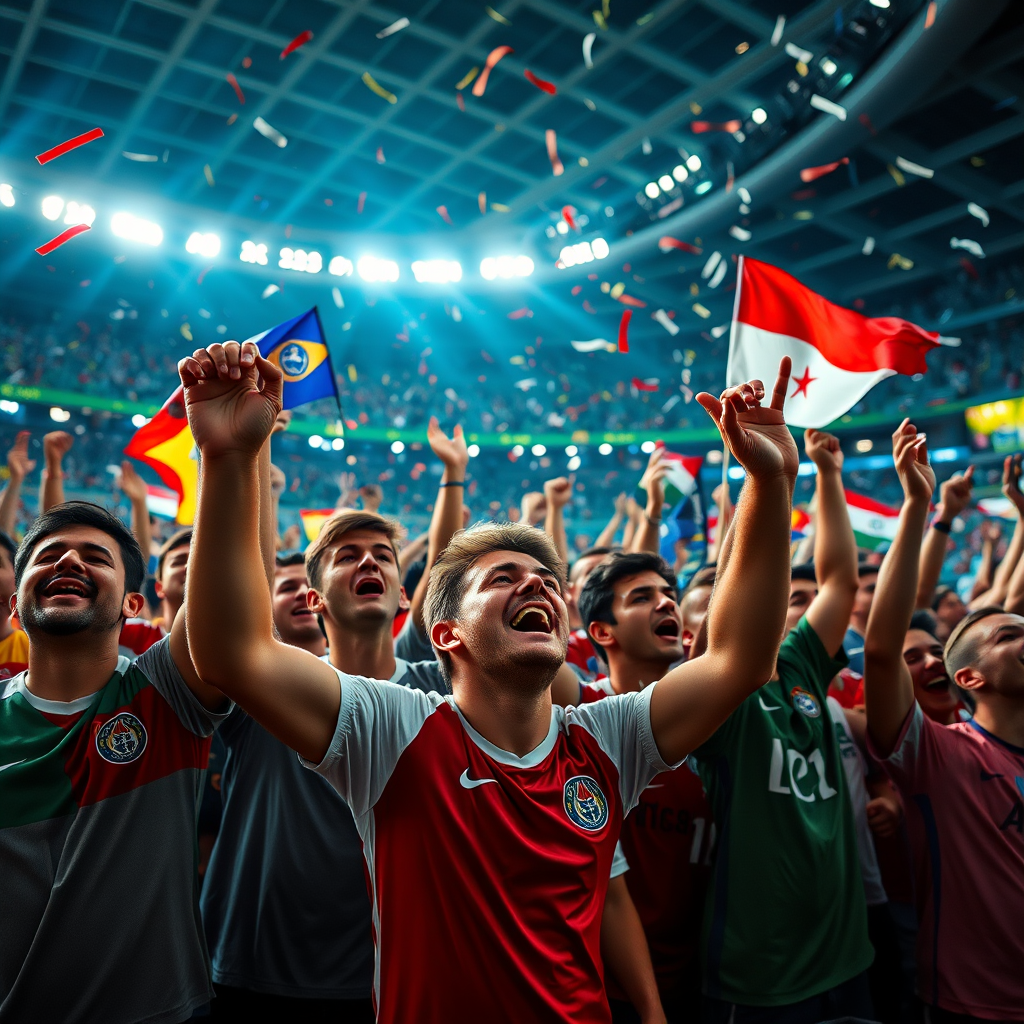
European club football results and news are breaking live now on five888.br.com
[Updated: 15:45 CET] Three critical developments define the current matchday landscape:
- Several high-stakes fixtures concluded within tightly contested margins, directly reshaping knockout brackets and group standings across multiple competitions.
- Squad rotation policies have intensified following congested international windows, forcing coaches to adjust tactical setups and pressing triggers mid-game.
- Real-time data feeds are now the primary reference point for supporters and analysts tracking shifting momentum, with verification protocols becoming standard practice for credible reporting.
Latest Match Developments
The most recent round of European club fixtures delivered immediate shifts in qualification probabilities. Competitive cycles across continental tournaments continue to compress, meaning that every ninety minutes carries amplified weight. Early-stage encounters often feature cautious build-up play, while later stages demand higher pressing intensity and faster transition sequences. Coaches who successfully manage fatigue levels during double-header weekends typically secure better positional advantages in the subsequent knockout rounds. Recent matchdays highlighted this pattern, as teams prioritizing ball retention over speculative attacks maintained tighter defensive lines and capitalized on counter-pressing opportunities. The final whistle confirmed that tactical discipline remains the decisive factor when facing evenly matched opponents, and marginal improvements in set-piece execution frequently separate closely contested outcomes from routine victories.
 Hình minh hoạ: five88
Tournament Context and Historical Background
Understanding the current standings requires a closer look at how European club competitions have evolved over recent seasons. Traditional seeding models have given way to more fluid qualification pathways, allowing mid-table domestic performers to challenge established powerhouses. This structural shift has produced unpredictable group dynamics, where point totals rarely reflect the underlying performance metrics. Historical data shows that clubs entering the latter stages with rested key personnel consistently outperform squads burdened by accumulated minutes. The modern scheduling calendar demands strategic planning well ahead of kickoff, particularly when travel distances and recovery windows intersect. Analysts tracking these patterns note that consistent progress depends less on individual brilliance and more on systemic consistency across multiple phases of play. When fixture congestion increases, organizations that invest heavily in athletic recovery and rotational depth consistently navigate the bottleneck more effectively than those relying on fixed starting XIs.

Tactical Breakdown and Squad Adjustments
Managerial decisions during the transfer and preparation windows have directly influenced recent outcomes. Several sides implemented hybrid formations to accommodate returning international players and newly integrated squad members. Defensive stability improved across the board as organizations shifted toward compact mid-blocks rather than high-risk full-back overlaps. Set-piece routines also received renewed emphasis, with coaching staffs dedicating additional training repetitions to corner and free-kick execution. These adjustments explain why certain underdogs secured unexpected positive results while favored sides struggled to break down organized back lines. The correlation between tactical flexibility and match results remains strong, especially in competitions where margin for error shrinks rapidly after each fixture. Pressing triggers have become more selective, with teams focusing on forcing turnovers in wide channels rather than committing numbers centrally. This deliberate approach minimizes exposure to quick vertical passes and reduces the likelihood of conceding through transitional errors.

Manager and Media Reactions
Post-match conferences and press briefings have emphasized the importance of maintaining focus regardless of opponent reputation. Head coaches repeatedly pointed to organizational shape and collective responsibility as non-negotiable standards. Journalists covering the beat noted a noticeable shift in how clubs communicate during transitional periods, moving away from hyperbolic claims toward measured assessments of performance gaps. Fan forums and statistical communities similarly adopted a more analytical tone, debating expected goal differentials and possession efficiency rather than reacting impulsively to isolated moments. This maturation in discourse reflects a broader understanding that sustainable success requires alignment across scouting, medical, and coaching departments. Verified reporting continues to prioritize direct quotes and observable tactical shifts over speculative narratives, ensuring that supporters receive actionable insights rather than entertainment-driven commentary.

Key Fixtures to Monitor Ahead
The upcoming schedule presents several pivotal matchups that could determine early elimination scenarios or solidify top-seeding positions. Teams navigating busy domestic calendars must carefully balance league survival tactics with continental ambitions. Injuries sustained during high-intensity collisions will likely force late-call replacements, creating immediate tactical uncertainties. Broadcast networks and official competition channels will provide continuous coverage, but independent tracking platforms remain essential for supporters seeking granular updates. For those requiring consolidated match summaries and rapid notification feeds, resources like five88 deliver structured information without overwhelming users with redundant content. Monitoring these upcoming fixtures requires attention to both scheduled kickoffs and potential postponement notices, as weather conditions and pitch maintenance can alter timelines. Officials continue to enforce strict kick-off adherence protocols, meaning that any delay automatically compresses stoppage time and intensifies late-game pressure.
| Competition Stage | Typical Update Frequency | Key Metrics Tracked |
|---|---|---|
| Group Phase | Live scorelines and minute-by-minute events | Points accumulation, goal difference, head-to-head records |
| Knockout Rounds | Pre-match lineups and post-match summaries | Aggregate scores, away goals rules (where applicable), disciplinary points |
| Domestic Cup Overlaps | Roster changes and substitution patterns | Squad rotation indices, injury return timelines, tactical formation shifts |
What to Watch Next
Continued vigilance regarding officiating standards and video assistant referee protocols will influence how future results are interpreted. Competition governing bodies have clarified communication guidelines to reduce ambiguity during stoppage-time decisions. Supporters relying on delayed broadcasts should verify official match reports before drawing conclusions about refereeing accuracy. Additionally, financial regulatory considerations may indirectly affect squad depth availability in the coming weeks, particularly for clubs operating near compliance thresholds. Tracking these administrative updates alongside on-pitch developments provides a complete picture of the competitive environment. Travel logistics for away supporters also require monitoring, as stadium access restrictions and public transport adjustments can impact attendance figures and matchday atmosphere. Organizations that maintain transparent communication channels consistently mitigate speculation during volatile windows.
Frequently Asked Questions
How can I verify live match updates accurately?
Official competition websites and licensed broadcasters serve as primary verification sources. Cross-referencing timestamped reports from multiple reputable outlets reduces the risk of encountering unverified rumors or outdated statistics.
Why do some fixtures show delayed result confirmations?
Administrative reviews, video assistant referee consultations, or weather interruptions can pause official result publication until all procedural requirements are fulfilled. Disciplinary committees occasionally extend review periods when incidents involve potential red-card offenses.
Are historical performance trends reliable predictors for upcoming games?
Past data offers contextual value but cannot override current squad availability, tactical adjustments, or environmental conditions. Treat historical comparisons as supplementary reference points rather than definitive forecasts.
Action Checklist for Staying Updated
- Bookmark official competition portals and enable push notifications for scheduled kickoffs.
- Review pre-match lineup announcements thirty minutes before kickoff to identify tactical shifts and rotational choices.
- Cross-check live score feeds with at least two independent sources before sharing updates or engaging in discussion.
- Monitor injury reports and suspension lists weekly to anticipate squad rotation patterns and formation adjustments.
- Record match timestamps and referee assignments for post-game analysis and statistical tracking.
- Limit engagement with unverified social media posts during active competition windows to maintain focus on verified developments and reduce exposure to misleading narratives.