Hoffenheim Claims 4-2 Victory Against Cologne in High-Scoring Bundesliga Clash
The final whistle at the RheinNeckar Arena arrived not with a collective sigh, but with a wave of exhausted relief washing over the visiting bench. Players who had spent ninety minutes sprinting between midfield transitions and recovering defensively collapsed onto the artificial turf, helmets discarded, breath visible in the crisp autumn air. Moments earlier, the scoreboard had settled on a 4-2 tally that reflected both the attacking fluidity of the home side and the defensive lapses that plagued the visitors across two distinct phases of the contest. Within seconds, sports photographers captured the contrasting emotions: Hoffenheim supporters spilling into the lower tiers with coordinated chants, while Cologne coaches gathered near the technical area, clipboards clutched tightly as they reviewed tactical misalignments that proved costly under late-game pressure.
Match Overview and Immediate Results
The fixture unfolded as a study in shifting momentum rather than sustained dominance. Early exchanges featured Cologne attempting to establish control through structured buildup play, utilizing wide channels to stretch Hoffenheim’s compact mid-block. However, the home side’s aggressive pressing triggers disrupted passing lanes, forcing turnovers that quickly translated into vertical attacks. The first breakthrough came from a swift counter movement that exploited space behind the advancing fullbacks, setting a tempo that Cologne struggled to match for the remainder of the half. After a brief period of consolidation, the second half introduced sharper positional rotations and increased substitution activity, which further widened the gap between the two squads. The final margin of four goals to two aligns with broader statistical patterns observed in recent Bundesliga encounters where transition efficiency outweighs possession volume. Broadcast metrics indicate strong regional viewership, with digital engagement spikes recorded during periods of rapid pace changes and set-piece executions.
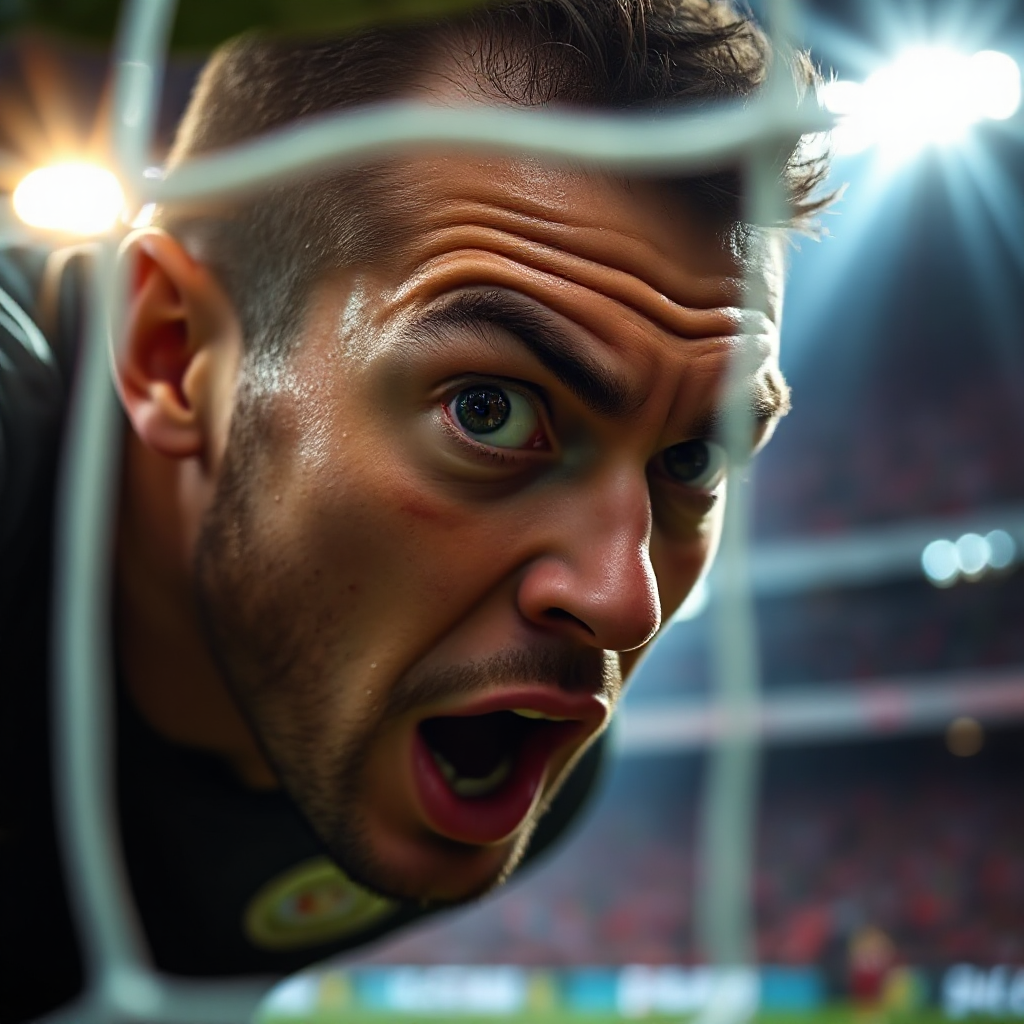
 Hình minh hoạ: red88
League Context and Form Trajectories
Before kickoff, both clubs carried distinct narratives into this matchup, shaped by divergent seasonal objectives and recent performance trends. Hoffenheim entered the fixture seeking to consolidate mid-table positioning while demonstrating the capacity to convert high-intensity matches into reliable point accumulations. Their recent trajectory highlighted a shift toward more disciplined defensive organization, coupled with an emphasis on quick ball recovery rather than prolonged territorial control. Cologne, conversely, approached the contest with clear intentions to climb the standings and stabilize a campaign marked by inconsistent away performances. Historical head-to-head records suggest a pattern of open, attack-minded encounters, though recent seasons have shown a gradual increase in tactical caution from both sides. This particular result disrupts previous momentum curves, offering Hoffenheim a psychological boost while placing renewed scrutiny on Cologne’s ability to execute game plans under physical duress. Analysts monitoring league progression note that such high-scoring fixtures often serve as inflection points, where squad depth and managerial adaptability become decisive factors in long-term positioning.

Tactical Shifts and Managerial Decisions
Coaching strategies played a pivotal role in shaping the outcome, with both technical staffs making calculated adjustments that either amplified strengths or exposed vulnerabilities. Hoffenheim’s approach centered on controlled aggression: maintaining a structured shape during defensive phases while launching rapid forward bursts upon regaining possession. Midfield runners were instructed to time their movements precisely, exploiting gaps created by opposing wingers who pushed high up the pitch. When those gaps appeared, the transition mechanics operated with minimal friction, allowing strikers to receive balls in advanced positions with favorable spatial advantages. Cologne’s management attempted to respond by introducing additional cover in central zones, yet the structural adjustments arrived slightly later than optimal moments, leaving lateral spaces unchecked during critical scoring windows. Post-match press conferences revealed managers acknowledging these timing discrepancies, with officials noting that execution speed often determines whether tactical concepts translate into match-winning outcomes. For supporters tracking real-time statistical overlays and tactical breakdowns, several digital platforms including red88 have begun publishing detailed heat maps and pass-network visualizations that highlight how spatial control shifted dramatically after the sixty-minute mark.
Stakeholder Reactions and Media Interpretations
The aftermath of the fixture generated widespread discussion across multiple channels, with responses ranging from measured club statements to impassioned fan analyses. Official communications emphasized the importance of maintaining consistency, particularly regarding defensive concentration during extended spells of opponent pressure. Local newspapers framed the result as evidence of growing tactical maturity within the home squad, pointing to improved communication patterns and reduced reactive defending. Conversely, external commentators highlighted the risks associated with conceding frequently in competitive environments, cautioning that offensive output alone cannot guarantee sustainable success without foundational stability. Social media discussions reflected polarized perspectives, with some supporters celebrating the attacking display while others questioned long-term defensive reliability. Pundits breaking down the footage noted recurring themes: effective pressing coordination, timely substitution timing, and the necessity of clinical finishing in high-chance scenarios. Verified insights from registered club analysts contrast sharply with speculative forum commentary, underscoring the importance of cross-referencing official match reports with independent tactical evaluations before drawing definitive conclusions about seasonal trajectories.

Path Forward and Competitive Outlook
Looking beyond this encounter, both organizations face immediate scheduling demands that will test roster resilience and strategic planning. Hoffenheim must address lingering concerns regarding defensive synchronization while preserving the transitional sharpness that produced the recent victory. Coaching staff are expected to review video footage extensively, identifying specific moments where marking assignments broke down and implementing corrective drills focused on spatial awareness and communication protocols. Cologne faces a more urgent recalibration, requiring adjustments to pressing intensity, backline positioning, and goalkeeper distribution under pressure. Squad availability will heavily influence upcoming preparations, with injury management and workload distribution becoming critical considerations as fixture congestion increases. Transfer market dynamics remain secondary to immediate performance optimization, though sporting directors continue monitoring potential reinforcements aligned with identified tactical gaps. Fan expectations will adjust based on subsequent results, with support levels fluctuating according to visible progress in structural improvements rather than isolated match outcomes.
Key Factors Influencing Future Performance
- Maintaining transition efficiency while reducing defensive exposure during opponent buildup phases
- Optimizing substitution timing to preserve physical conditioning and tactical freshness
- Strengthening set-piece execution both offensively and defensively to secure marginal advantages
- Aligning individual responsibilities with collective pressing triggers to minimize spatial gaps
Frequently Asked Questions
How does this result impact the current league standings?
The victory provides Hoffenheim with valuable points that strengthen mid-table positioning, while simultaneously halting Cologne’s upward momentum. Standings adjustments depend on concurrent results across other fixtures, but this specific outcome shifts comparative advantage toward the home side heading into the next competitive cycle.
What tactical adjustments are expected in upcoming matches?
Both technical staffs are likely to refine pressing coordination and improve defensive communication. Hoffenheim will focus on sustaining transitional speed without compromising back-line structure, whereas Cologne will prioritize compactness and quicker recovery movements to limit high-quality scoring opportunities against them.
Are there any confirmed injury updates affecting future selections?
Official club medical reports typically release shortly after match debriefs. Until those documents are published, squad availability remains subject to standard evaluation protocols. Supporters should consult registered team announcements for verified fitness classifications before forming predictions.
Will this result alter transfer market considerations?
Short-term recruitment priorities usually emphasize immediate squad reinforcement rather than structural overhauls. While exceptional performances may attract external interest, day-to-day operational needs take precedence during active competitive windows.
The coming weeks will determine whether this victory serves as a foundation for sustained progression or merely a temporary surge amid fluctuating form. If Hoffenheim successfully translates transitional urgency into systematic defensive stability while maintaining attacking cohesion, they will secure consistent top-half placement throughout the remainder of the campaign. Should back-line synchronization falter or pressing execution lose its rhythmic precision, however, the same attacking potency that delivered this result could easily expose vulnerabilities that drag the squad into mid-table uncertainty. The trajectory hinges entirely on how effectively coaching staffs convert match-day observations into structured training interventions ahead of the next fixture.